
Moving furniture involves more than lifting items and placing them into a truck. Furniture can easily suffer scratches, dents, loose joints, or structural damage if movers do not protect it properly during handling and transport.
Professional moving teams focus on preventing these problems by using protective materials, careful lifting techniques, and structured loading methods. Global 360 Moving uses these professional protection strategies to reduce the risk of damage while furniture travels between homes during a relocation.
Protective Materials Used During Furniture Moving
| Protection Material | Purpose | Typical Items Protected | Damage Prevention Role |
|---|---|---|---|
| Moving Blankets | Cushions furniture surfaces | Dressers, tables, cabinets | Prevents scratches and impacts |
| Shrink Wrap | Secures loose components | Sofas, drawers, mattresses | Prevents shifting and dust exposure |
| Corner Protectors | Shields exposed edges | Tables, cabinets, desks | Reduces dents and chipped corners |
| Floor Runners | Protects flooring surfaces | High traffic areas | Prevents dirt, scratches, and scuffs |
| Tie Down Straps | Secures items in the truck | Large furniture pieces | Prevents movement during transit |
Moving Blankets and Padded Covers
Professional movers wrap furniture with heavy duty moving blankets before carrying it through the property. These padded covers create a protective layer between furniture pieces and surrounding surfaces.
The blankets help prevent scratches while also absorbing minor impacts during lifting and transport.
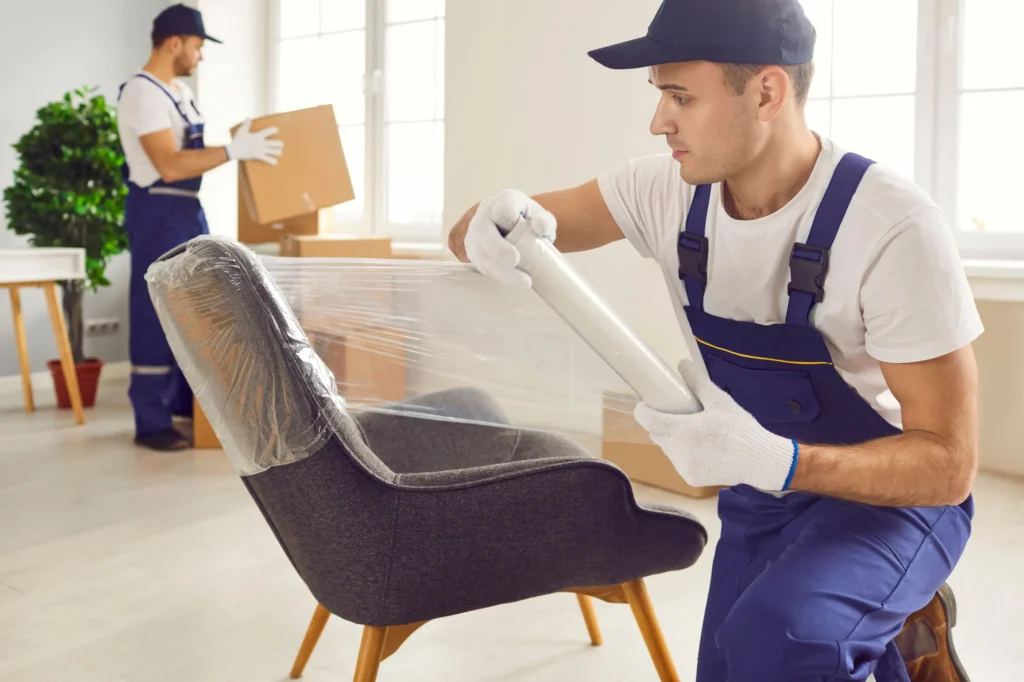
Shrink Wrap and Protective Film
Shrink wrap secures loose components such as drawers, cabinet doors, and cushions. This protective layer keeps furniture parts closed and stable while items are carried and loaded.
It also helps protect upholstery and finished surfaces from dust, moisture, and dirt during transit.
Corner Guards and Edge Protection
Corners are among the most vulnerable parts of furniture during a move. Movers add corner guards to items such as tables, dressers, and cabinets to prevent dents or chipped finishes.
Professional moving crews that handle relocations daily, including the team at Global 360 Moving relocation services, use these protective materials to keep furniture surfaces intact while navigating tight spaces.
Furniture Disassembly for Safe Transport
Large furniture pieces often move more safely when movers partially disassemble them before transport. Removing detachable parts reduces weight and allows movers to maneuver items through narrow hallways and staircases.
Common furniture items that movers may disassemble include:
• Bed frames
• Dining tables
• Sectional sofas
• Large desks
• Wardrobes and shelving units
Disassembly also reduces stress on joints and connection points during lifting and loading.
Floor and Wall Protection During the Move
Professional movers also protect the home during the relocation process. Heavy furniture passing through hallways or staircases can easily damage floors and walls if movers do not take precautions.
To reduce this risk, movers place floor runners along primary walking paths and add padding to doorways and stair rails. These protections allow the moving team to transport heavy furniture safely without damaging the property.
Strategic Truck Loading Techniques
Proper truck loading is one of the most important factors in preventing furniture damage during transit.
Weight Distribution
Movers load heavier furniture items first and place them along the truck walls. This arrangement creates a stable base that supports lighter pieces during transportation.
Balanced weight distribution prevents items from shifting or collapsing while the truck is in motion.
Securing Furniture with Straps
Tie down straps anchor large furniture pieces to the truck’s interior rails. These straps hold items securely in place and reduce movement during the trip.
Layered Loading Strategy
Professional movers organize furniture in carefully planned layers to prevent pressure between items. Fragile pieces remain protected while heavier items stay properly supported.
How Protection Methods Vary by Furniture Type
Different furniture materials require different protection strategies.
Examples of item specific protection include:
• Upholstered furniture uses breathable wrapping to prevent moisture buildup
• Glass tables receive edge protection and separate panel transport
• Wooden furniture is wrapped with padded blankets and corner guards
• Antique furniture receives additional stabilization and careful placement inside the truck
Adapting protection methods to each furniture type helps prevent damage during relocation.
Professional Furniture Protection from Global 360 Moving
Furniture often represents both financial investment and personal value. Professional movers focus on protecting every item from packing and loading through final placement at the destination.
Homeowners planning a relocation can learn more about professional moving support through the Global 360 Moving professional moving team to discuss their upcoming move and ensure furniture remains protected throughout transit.